
Breathwork & Meditation
Rooted in ritual. Backed by research. Guided by breath.
45–90 minutes
Private, group, corporate
Down Under School of Yoga
More than a biological function.
Your breath is a sacred gateway — a rhythm that connects body to spirit, past to healing, stress to strength.
As a certified Breathwork and Meditation Teacher through Down Under School of Yoga, I trained with pioneer David Magone, whose Good Stress™ methodology strengthens the nervous system through intentional breath — designed to make us more adaptable, resilient, and present.
This work meets the complexities of modern life — whether you're recovering from childhood trauma or moving through daily burnout — with precision, reverence, and power. From Tibetan Buddhist pranayama to Huberman-inspired protocols, we tap into breath's capacity to heal, harmonize, and awaken.
What contemplatives knew, physiology now measures.
Regulates the autonomic nervous system
Breath is the one lever we have on heart rate, blood pressure, hormones, and immune response — a direct line into rest, digest, and repair.
Trains the vagus nerve
Slow exhales, bee-breath humming, and physiological sighs stimulate the vagus nerve — the wiring of felt safety and emotional recovery.
Builds capacity through good stress
Intermittent hypoxic training briefly stresses the system so it comes back stronger — improved cardiovascular function, cognition, and metabolism.
Moves what talking can't
Connected breath bypasses the analytical mind and works at the level of the tissue. Grief, tension, and old patterns move — the body remembers how to soften.
Three families of practice. One nervous system, retrained.
For grounding, soothing, restoring.
Practices that engage the parasympathetic branch — the body's rest-and-digest function.
- ◦Heart Coherence Breathing — synchronizes breath and heartbeat, reduces anxiety
- ◦Bhramari (bee breath) — vibrational humming that soothes the vagus nerve
- ◦Physiological Sigh — two-part inhale, long exhale; lowers cortisol quickly
- ◦Prolonged Exhale — slows heart rate, invites deep calm
BenefitsLower blood pressure · improved digestion · emotional resilience · restful sleep
For energy, vitality, strength.
Intermittent Hypoxic Training — brief, intentional stress that builds capacity and resilience.
- ◦The Triple Breath — breath stacking for oxygen saturation and focus
- ◦Circular Breath — rhythmic, continuous breath for energy and clarity
BenefitsCardiovascular function · reduced inflammation · cognitive performance · immunity
Workouts for the nervous system.
By alternating between activating and calming breaths, we cross-train the system to move between calm and challenge with grace and strength.
- ◦Alternate nostril and paced breathing
- ◦Layered sequences that shift state on demand
- ◦Building emotional agility — the felt sense of choice
BenefitsAdaptability · presence · steadiness under pressure
A note on discernment. Up-regulating practices are not recommended during pregnancy, or for those with unregulated high blood pressure, glaucoma, epilepsy, or severe psychiatric conditions with psychosis. Safety and discernment guide this work.
Stillness as a practiced skill.
My meditation training is rooted in Mangalam Yantra Yoga — a Tibetan system taught by Harvard's Buddhist Chaplain, Khenpo Migmar Tseten Rinpoche, and passed to me through David Magone.
- ◦Yoga Nidra — guided deep rest while remaining awake; supports trauma release and nervous system reset.
- ◦Shamatha — cultivates stillness and equanimity; calms the overactive mind.
- ◦Pranayama — conscious breath control to regulate energy and restore coherence.
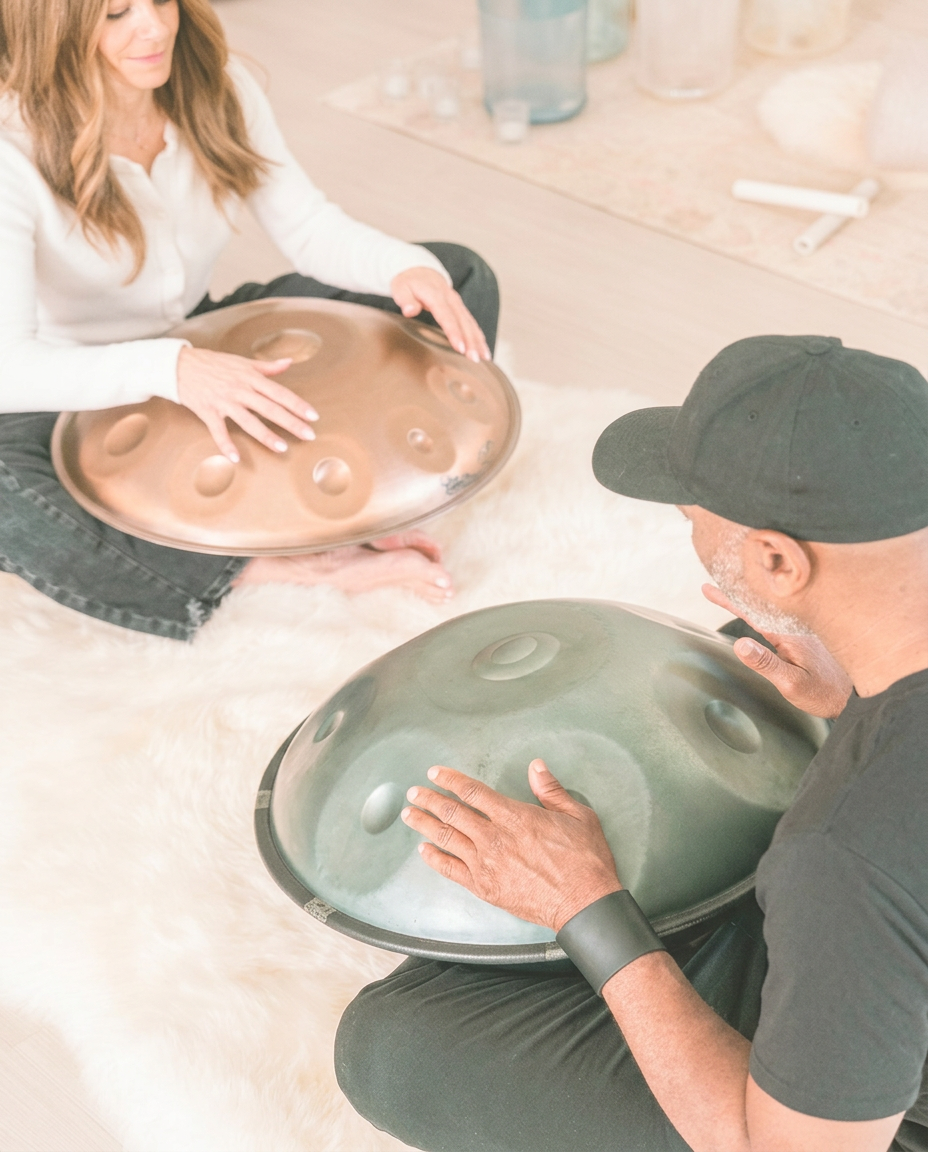
These practices are often paired with crystal alchemy sound bowls — journeys that are visceral, healing, and vibrationally rich.
Sonic medicine you already carry.
As taught by Jonathan Goldman, whom I've had the honor to study with, humming is more than a soothing sound — it's medicine your body already knows how to make.
- ◦Stimulates the vagus nerve
- ◦Increases nitric oxide — supporting immunity and circulation
- ◦Lowers blood pressure and cultivates felt safety
- ◦Enhances brainwave coherence
Cited: NCBI sound meditation study · HeartMath coherence research.
Four ways in.
Studio, circle, boardroom, or retreat land. The invitation is the same: return to the body, retrain the nervous system, remember what you already know.
75–90 minutes
WhereConcord studio
Investment$45 · seats limited
A small circle held with music, guided breath, and integration time. Bolsters, blankets, low light. Come as you are.
Upcoming sessions75 minutes
WhereIn-person, Concord
InvestmentFrom $185
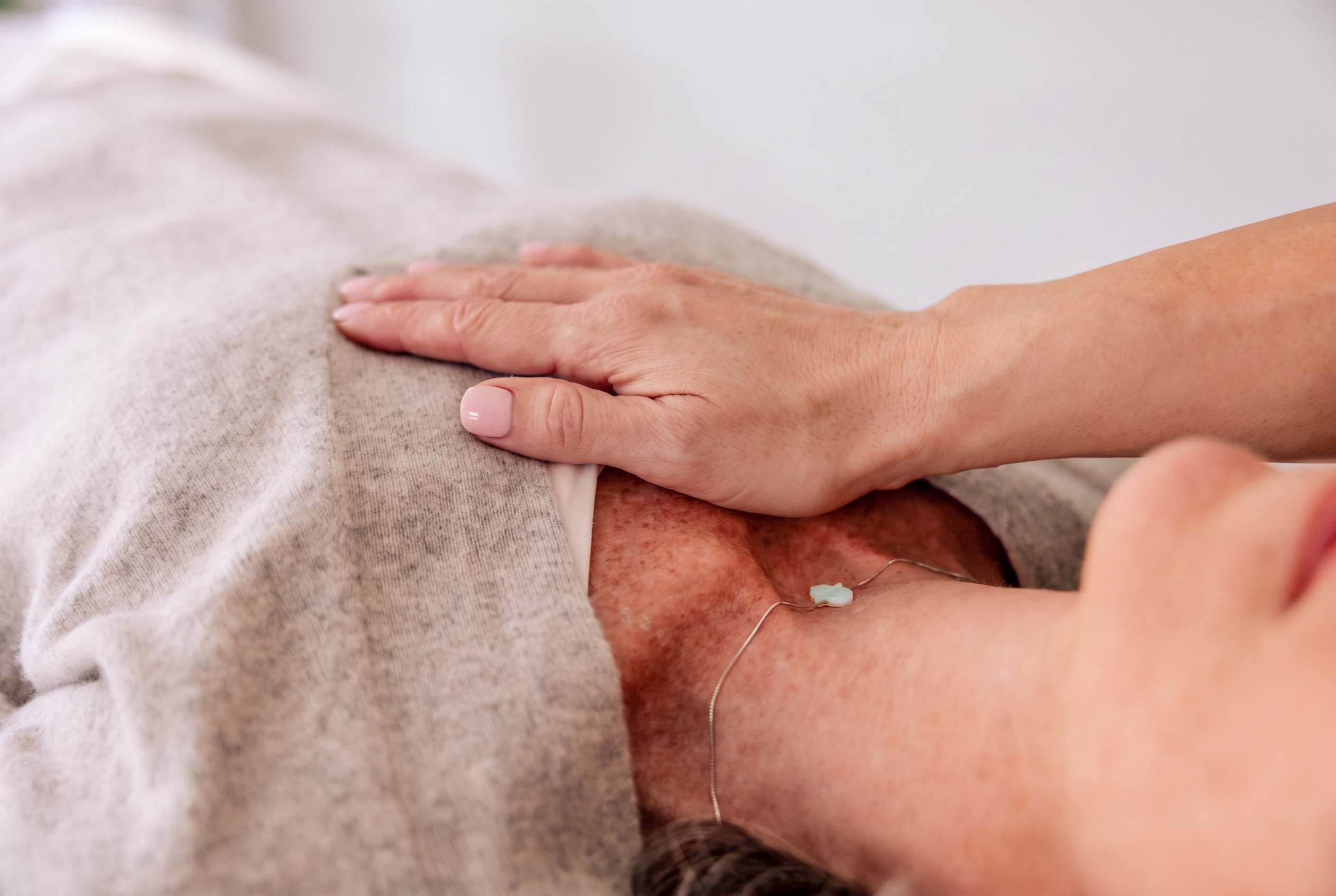
One-on-one, paced to your specific system. Somatic breath, Reiki-informed touch when welcomed, integration and reflection.
Inquire45–75 minutes
InvestmentBy arrangement
Yoga Nidra, Shamatha, and pranayama — often paired with crystal alchemy bowls. Rooted in the Mangalam Yantra Yoga lineage.
Inquire45–90 minutes
InvestmentCustom quote
Teams, offsites, rites of passage. Nervous-system training that translates directly into how a room shows up the next day.
Inquire“I cried and laughed and finally slept. It was like my body exhaled for the first time in a decade.”
“I came in braced. I left able to feel my own hands again.”
“Christine held the room so steadily I could actually go somewhere.”
“The Yoga Nidra reset something I didn't know was stuck.”
“We booked her for a leadership offsite. Different meeting after. Different week.”
“I didn't know breath could go that deep. I keep going back.”
A student of life. A teacher of transformation.
This path is not theoretical — I teach from lived experience. Every technique, every breath, every still point has been walked, wept, and witnessed within me.
My greatest honor is holding space for your healing. To witness another's return to Self is sacred.
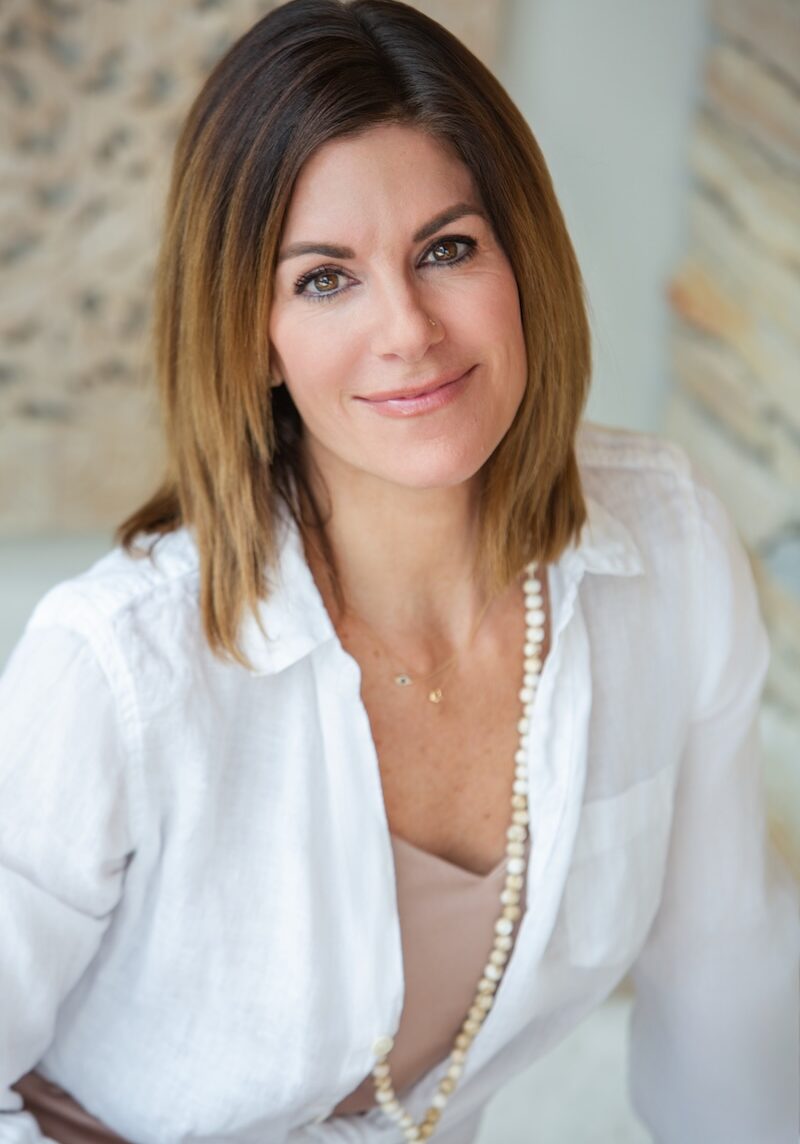
Christine Grace
P.S. Just breathe. You already have the medicine within.